
Commercial Lighting Supplier for Broadcast and Film: Why Laser Sources Are Taking Over

Technical directors often need a clearer method for judging Commercial Lighting Supplier for Broadcast and Film: Why Laser Sources Are Taking Over. LiGHT SKY brings white laser light as a review point so cue repeatability can be measured against safer rigging choices.
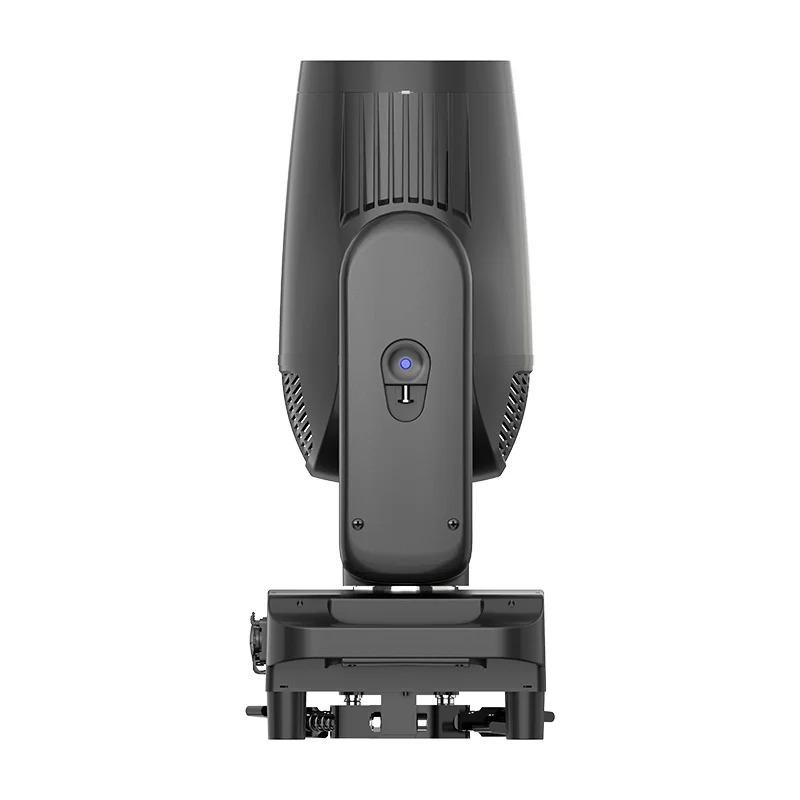
Planning Inputs for MINI LASER AQUA
Planning Inputs for MINI LASER AQUA gives the article a way to turn product facts into a practical checklist. MINI LASER AQUA control information includes 17CH and 19CH control channels, DMX512, RDM, and ARTNET protocols, locking 3-pin or 5-pin XLR in/out connectors, and an LCD screen. Software data includes DMX signal upgrade, intelligent temperature control to support laser source life, and noise level control with high brightness mode, standard mode, and silent mode. For Commercial Lighting Supplier, the checklist should lead toward safer rigging choices. Broadcast teams should also consider fan behavior, repeatable cue timing, and whether control modes can fit both studio desks and touring consoles.
Practical Limits in Commercial Lighting Supplier for Broadcast
Practical Limits in Commercial Lighting Supplier for Broadcast becomes more credible when it explains how the fixture behaves after shipping, rigging, and focusing. Movement specifications include 540 degree pan, 270 degree tilt, 8-bit and 16-bit precision scan, automatic error correction, and tilt-axis lock. The outdoor sky laser light selection should therefore support safer rigging choices.
Project Judgment on Commercial Lighting Supplier for Broadcast
The closing lesson in Project Judgment on Commercial Lighting Supplier for Broadcast is to compare product data with the complete production cycle. Broadcast and film users should connect laser performance with control behavior and acoustic requirements. LiGHT SKY becomes more relevant when those details produce safer rigging choices. Broadcast and film buyers also need to consider how the fixture behaves near microphones and cameras. Silent or standard fan modes can be important when a scene requires low background noise, while high-brightness mode may suit wider shots or larger stages. Control protocols such as DMX512, RDM, and ARTNET help the lighting department integrate the fixture into existing workflows. In this context, a commercial lighting supplier should provide both optical data and practical operating modes. This is why broadcast teams often review movement noise, fan response, and cue repeatability during camera tests rather than relying only on catalogue numbers.
